
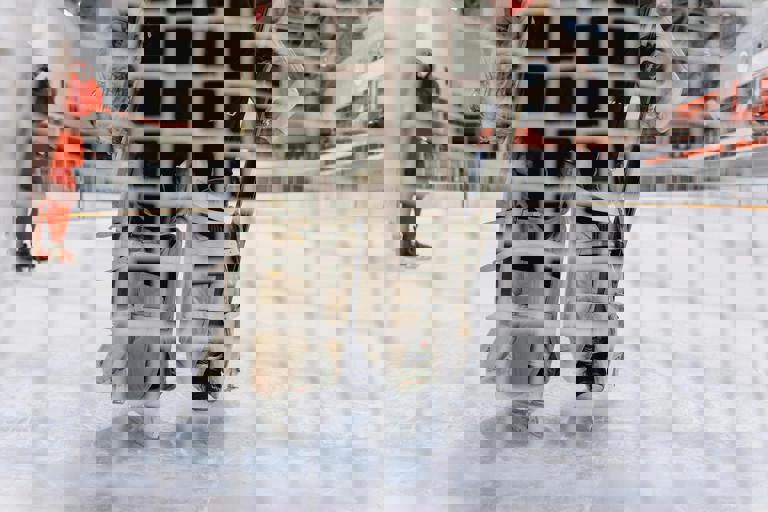
Amid plummeting temperatures and wind-whipped ice, an unusual spectacle recently unfolded on a frozen lakeside: a sprawling outdoor hockey tournament that drew teams from across the globe. The event, which spanned several days, saw players from eight different countries lacing up their skates for an experience that pushed both their athleticism and endurance to the limits. With the mercury dropping below minus fifteen degrees Celsius, the stage was set for a contest defined as much by resilience as by skill.
The tournament's icy venue was as much a player as the teams themselves. Organizers had carved several rinks onto the thickly frozen surface, ensuring safety with scrupulous inspections and local emergency services on high alert. Despite the conditions, the enthusiasm was palpable, with coaches and players alike describing the unique thrill of competing outdoors. "There’s nothing like the sound of the puck on lake ice," remarked Johan Nilsson, captain for Sweden’s delegation.
Spectators bundled in layers of wool and down lined the makeshift sidelines, braving the chill to cheer on their hometown heroes and international guests alike. Food trucks and warming tents dotted the area, offering hot drinks and local delicacies to fend off the cold. For many, the international nature of the event provided a unique opportunity to witness a blend of hockey styles seldom seen outside of major professional tournaments.
The teams themselves represented a diverse cross-section of hockey traditions. Contingents from Canada, Finland, the United States, Russia, Sweden, Germany, the Czech Republic, and Japan participated. Each brought unique tactics and traditions to the frozen surface, with noticeable differences in strategies and pace. Observers noted the fluid, quick transitions of European squads, contrasted with the physical, north–south approach favored by North American teams.
Gameplay was intense from the outset. With condensed periods to account for the cold, matches moved swiftly, and players adapted by emphasizing shorter shifts and layered clothing beneath their gear. Injuries were minimal, owing in part to the vigilant work of on-site medics and the mutual respect shown among competitors. The camaraderie was evident, with teams often gathering after games to share stories and exchange souvenirs.
One of the tournament's highlights came in the semifinal round, as the Canadian team faced off against a well-drilled squad from Finland. The game was a nail-biter, ending in a dramatic shootout after regulation and overtime failed to separate the teams. Canadian forward Lucas Tremblay, who scored the decisive goal, said, "We were running on pure adrenaline. Playing in these conditions is something I'll never forget."
While competition was fierce, the tournament prioritized community and cross-cultural exchange. Organizers scheduled clinics for local youth, led by visiting players, and hosted panel discussions about the history and future of outdoor hockey. Team captains participated in a post-tournament forum focused on environmental stewardship, considering the impact of climate change on natural ice conditions.
The final saw Russia and Canada meet in a classic showdown that lived up to expectations. Both teams displayed remarkable discipline and creativity, thrilling the crowd with end-to-end action and clutch saves from goaltenders on each side. In the end, Russia edged out their rivals with a late power-play goal, sealing a 3-2 victory and sparking jubilant celebrations among their players and supporters.
Tournament director Claire Dubois hailed the event as a success, praising the participants for their adaptability and grit. "Bringing together international teams in these conditions was no small feat, but every athlete rose to the challenge," she said. Dubois emphasized the importance of such tournaments in building friendships and breaking down global barriers, especially in the world of amateur and grassroots sports.
As the tournament wrapped up and teams prepared for their journeys home, the legacy of the event was already evident. Organizers and players voiced hopes that such competitions would become a mainstay on the international hockey calendar. For a few frozen days, camaraderie and sporting excellence transcended borders, offering a powerful reminder of the enduring appeal and adaptability of outdoor hockey, even in the harshest winter conditions.