
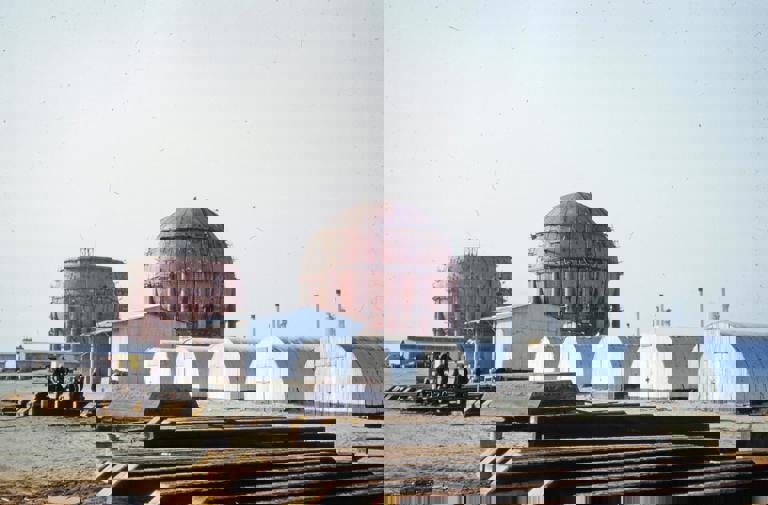
Canada’s energy sector is undergoing a significant transformation as companies repurpose old oil rigs for geothermal energy production. This innovative shift is not only redefining the industry’s future but also spurring a hiring boom, particularly in regions historically dependent on oil and gas. Hundreds of workers are now being recruited to retrofit idle wells, marking a pivotal step toward expanding renewable energy infrastructure in the country.
The transition to geothermal energy comes at a time when environmental concerns and governmental policies push for cleaner energy sources. As oil demand plateaus and climate commitments grow stricter, energy firms are encouraged to reinvent existing infrastructure rather than abandon it. By leveraging wells that have reached the end of their petroleum-producing lifespans, companies can dramatically cut costs and environmental impacts associated with entirely new projects.
Industry analysts note that retrofitting oil wells for geothermal use requires a skilled workforce adept in drilling, engineering, and environmental management. Many of those being hired are experienced oil platform workers, whose skills are directly transferrable to the new geothermal operations. John Mercer, a project manager at a leading energy firm, remarked, "This is an exciting opportunity for workers to stay in the energy sector while contributing to a greener future."
Job postings related to geothermal retrofitting have surged by over 45% in the past year, according to data from Energy Careers Canada. Positions range from mechanical and electrical engineers to geophysical technicians and environmental monitors. This diverse demand is offering employment opportunities not only to former oil sector workers but also to recent graduates, technical specialists, and Indigenous community members seeking new roles.
The technology behind converting oil wells for geothermal energy involves capturing heat from deep beneath the Earth's surface. Unlike traditional geothermal projects that often require drilling from scratch, these initiatives tap into wells that already access deep rock formations. As a result, companies can save millions of dollars in capital expenditure and cut down on surface land disturbances, making the approach both economically and environmentally attractive.
Alberta, notably home to over 450,000 inactive oil and gas wells, stands to gain the most from this transition. “We’re turning a legacy of fossil fuel dependence into an engine for clean energy,” said Sharon Duquette, spokesperson for Alberta’s Department of Energy. Local governments have offered grants and regulatory incentives to companies willing to invest in retrofitting, further supporting the employment surge and the province’s green energy ambitions.
Industry leaders suggest that the geothermal market’s growth could soon rival that of wind and solar. According to the Canadian Geothermal Energy Association (CanGEA), repurposed oil wells could provide baseload power to thousands of homes. Unlike solar and wind, geothermal power is not impacted by weather or diurnal cycles, making it a reliable and consistent source of renewable energy for the electrical grid.
As the geothermal sector expands, numerous training programs have been established to help workers transition from oil to renewables. Technical colleges in Alberta and beyond offer specialized certifications in geothermal energy, covering topics such as heat transfer systems, geological surveying, and environmental regulations. These educational initiatives ensure a steady pipeline of qualified professionals as the job market evolves.
Many communities that once felt the brunt of oil industry downturns now see new hope for economic revitalization. Local businesses, ranging from equipment suppliers to hospitality providers, are also benefitting from increased activity around geothermal retrofitting projects. "We’ve seen more foot traffic and contracts since these projects began," observed Linda Bosch, owner of a small logistics company.
The environmental benefits are noteworthy as well. By using existing wells, companies avoid further landscape disruption and can focus on plugging methane leaks, addressing a major source of greenhouse gas emissions. Additionally, geothermal projects create fewer carbon emissions than their oil- or gas-producing predecessors, aligning with Canada’s broader climate objectives and international commitments to reduce carbon output.
Not everyone is wholly optimistic, however. Some skeptics question whether retrofitted wells can produce enough heat for significant energy generation or if the market will sustain long-term job growth. "There’s still a lot of technical and economic risk in these projects," cautioned energy economist Rajiv Patel. "The transition is promising, but it’s not a silver bullet for every well or community affected by oil’s decline."
Investors, however, are showing growing interest, lured by governmental incentives and an evolving regulatory landscape that favors green innovation. Venture capital is beginning to flow into established energy firms as well as startups focusing on geothermal solutions. The federal government’s net-zero by 2050 policy further encourages companies to innovate and diversify their energy portfolios, reinforcing business confidence in the sector.
Looking ahead, the transformation of old oil rigs into geothermal facilities signals a broader evolution within Canada’s energy sector. As hiring surges and more wells are converted, experts anticipate this momentum will catalyze further advances in renewable technologies. Ultimately, the effort demonstrates how the industry’s legacy can be harnessed for forward-looking solutions, bringing new employment opportunities and cleaner energy to Canadian communities.