
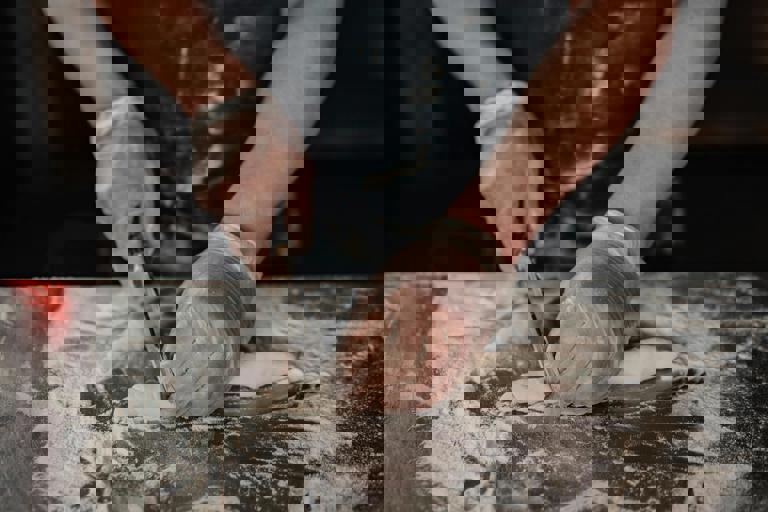
In recent years, a culinary renaissance has quietly unfolded across the country, with artisan bakers experiencing unprecedented success as sourdough bread enjoys newfound popularity. This "sourdough craze" has led to a surge in boutique bakery openings, as consumers increasingly seek out handcrafted alternatives to mass-produced loaves. Reports from industry analysts indicate that the demand for quality, artisanal bread is reshaping Canada's bakery landscape in profound ways.
Boutique bakeries, often small family-run or independent establishments, have been the primary beneficiaries of this trend. These businesses pride themselves on traditional methods, such as long fermentation and natural starters, which set their sourdough apart. "Our sales have more than doubled compared to last year," said Sophia Tran, owner of Hearth & Crust Bakery. “People really want to understand where their bread comes from and how it’s made.”
The COVID-19 pandemic initially sparked renewed interest in baking at home, with social media platforms teeming with homemade sourdough creations. For many, this experimentation fostered an appreciation for the skill and dedication required to produce exceptional sourdough. As life normalized, customers shifted from home ovens to supporting local professionals, propelling demand for bakery-made artisanal products to new heights.
Changing demographics have played a significant role in fueling this surge. Boutique bakeries report a marked increase in visits from younger consumers, including millennials and Gen Z, who are prioritizing quality and authenticity over convenience. According to market research firm Statista, 48% of Canadians aged 18-34 express a preference for artisan bread, compared to just 28% a decade ago.
This growing customer base is not only younger but also more discerning. They are better informed about ingredients and breadmaking processes, often seeking out naturally leavened, whole grain, and locally sourced options. "The new generation of customers asks questions about everything—from the type of flour we use to our fermentation times," explained Alex Dubois, head baker at Grain & Vine. "They want transparency and are willing to pay a premium for it."
Sourdough’s health benefits, both real and perceived, have contributed to its popularity. Unlike conventional breads, sourdough undergoes a slow fermentation process that can improve digestive health and lower the bread’s glycemic index. Dietitians often note that sourdough’s probiotic cultures and reduced gluten content may be easier for some people to digest. This health-conscious angle has broadened sourdough’s appeal beyond traditional bread enthusiasts.
The retail landscape has responded quickly, with many artisan bakers expanding their offerings to include unique flavors and inventive additions. From cranberry walnut loaves to olive rosemary batards, variety has become a key selling point. Some bakeries even cater to vegan, gluten-sensitive, and organic preferences, further widening their potential market and differentiating themselves from industrial producers.
The economic impact of this sourdough boom extends beyond bakery counters. Local millers and farmers have found eager partners in boutique bakeries, as consumers place greater value on traceable, sustainable ingredients. "Working closely with bakeries has allowed us to invest in higher-quality grain production and build stronger relationships in the community," said Lois Carter, a prairie grain supplier. “It’s a win-win situation.”
Technology has played an unexpected role in the success of artisan bakeries. Many have embraced e-commerce platforms, online pre-ordering, and social media marketing, enabling them to reach wider audiences than would have been possible a decade ago. Instagram, in particular, has proven effective for visually showcasing crusty loaves and nourishing the appetites of curious followers.
Community and education are also at the forefront of the sourdough revival. Workshops, tastings, and behind-the-scenes tours draw curious customers eager to learn the intricacies of sourdough baking. These events foster loyalty and allow artisan bakers to share their passion directly. “People don’t want just to buy bread—they want to connect with how it’s made and who’s making it,” noted baker Erin Wallace at a recent class.
Despite these opportunities, the artisans behind this movement still face challenges. High ingredient costs, labor shortages, and fluctuations in demand present ongoing obstacles. Additionally, maintaining product consistency and quality while scaling up production can cause headaches for growing bakeries. Many, however, view these difficulties as the price of preserving traditional craftsmanship in a competitive marketplace.
Industry observers expect the sourdough trend to endure, at least in the medium term. Changing consumer habits, a continued focus on wellness, and rising concern over processed foods all point to sustained interest in artisan baking. “The sourdough boom has legs,” asserts Alex Chen, a food industry analyst. “It taps into deeper cultural shifts around food and community—people aren’t ready to go back to bland, anonymous bread.”
Looking ahead, experts foresee further innovation in the artisan baking sector. Bakeries are experimenting with ancient grains, fermentation science, and even collaborations with craft breweries and local coffee roasters. As the lines between bakery, café, and community hub blur, sourdough continues to symbolize not only culinary excellence but also the power of independents to reshape national food culture one loaf at a time.